'- Rechargeable multi-function electric zapper to instantly eliminates mosquitos, flies and other pests in a single swing.
- Eco friendly product suitable for indoor and outdoor use.
- Shock proof mesh available on both sides.
- Suitable for home, camping, hiking, picnicking
- Made from ABS grade plastic that makes it durable and sturdy.
- Built-in LED side light and full size detachable torch that helps kill mosquitos in dark.
- Available in multiple colour Options - colors may vary from the product image.
- Rechargeable by conveniently plugging the detachable flashlight. No bothersome cords.
Detroit Dark Red heirloom beets are vegetables that hail from Ontario, Canada, where Mr. Reeves developed them from blood turnips. This globular beet first made its appearance in 1892. However, beets seem to have originated in the Mediterranean region, where people grew them for thousands of years. Later, red beets grew in Germany and Holland, where these vegetables were used as cattle fodder; they were later imported to England for this purpose, but the poor began to raise them for an affordable food source. American colonists later brought red beets to the New World, where they became a commonly enjoyed vegetable both for their roots and their greens.
Detroit Dark Red heirloom beets are vegetables that hail from Ontario, Canada, where Mr. Reeves developed them from blood turnips. This globular beet first made its appearance in 1892. However, beets seem to have originated in the Mediterranean region, where people grew them for thousands of years. Later, red beets grew in Germany and Holland, where these vegetables were used as cattle fodder; they were later imported to England for this purpose, but the poor began to raise them for an affordable food source. American colonists later brought red beets to the New World, where they became a commonly enjoyed vegetable both for their roots and their greens.
Detroit Dark Red heirloom beets are vegetables that hail from Ontario, Canada, where Mr. Reeves developed them from blood turnips. This globular beet first made its appearance in 1892. However, beets seem to have originated in the Mediterranean region, where people grew them for thousands of years. Later, red beets grew in Germany and Holland, where these vegetables were used as cattle fodder; they were later imported to England for this purpose, but the poor began to raise them for an affordable food source. American colonists later brought red beets to the New World, where they became a commonly enjoyed vegetable both for their roots and their greens.
Detroit Dark Red heirloom beets are vegetables that hail from Ontario, Canada, where Mr. Reeves developed them from blood turnips. This globular beet first made its appearance in 1892. However, beets seem to have originated in the Mediterranean region, where people grew them for thousands of years. Later, red beets grew in Germany and Holland, where these vegetables were used as cattle fodder; they were later imported to England for this purpose, but the poor began to raise them for an affordable food source. American colonists later brought red beets to the New World, where they became a commonly enjoyed vegetable both for their roots and their greens.
Detroit Dark Red heirloom beets are vegetables that hail from Ontario, Canada, where Mr. Reeves developed them from blood turnips. This globular beet first made its appearance in 1892. However, beets seem to have originated in the Mediterranean region, where people grew them for thousands of years. Later, red beets grew in Germany and Holland, where these vegetables were used as cattle fodder; they were later imported to England for this purpose, but the poor began to raise them for an affordable food source. American colonists later brought red beets to the New World, where they became a commonly enjoyed vegetable both for their roots and their greens.
Detroit Dark Red heirloom beets are vegetables that hail from Ontario, Canada, where Mr. Reeves developed them from blood turnips. This globular beet first made its appearance in 1892. However, beets seem to have originated in the Mediterranean region, where people grew them for thousands of years. Later, red beets grew in Germany and Holland, where these vegetables were used as cattle fodder; they were later imported to England for this purpose, but the poor began to raise them for an affordable food source. American colonists later brought red beets to the New World, where they became a commonly enjoyed vegetable both for their roots and their greens.
Red cabbage feels most at home in a sunny to semi-shady location. It grows particularly well in good garden soils, especially in humus-rich, deep loamy soils with a slightly acidic to slightly alkaline pH value. As cabbages are heavy feeders, it is important the soil is high in nutrients. Soils that are less humic and more calcareous are usually tolerated but produce lower yields. The right spacing is important both when planting young red cabbage plants and when sowing red cabbage seeds directly
Red Coach F1 Onion Seed is one of the longest-storing red onions around the world, resistant to most crop diseases, has a very good yield and firmness, excellent production, and very vigorous plant with a strong root system which makes it ideal for hot growing conditions.
Red Coach F1 Onion Seed is one of the longest-storing red onions around the world, resistant to most crop diseases, has a very good yield and firmness, excellent production, and very vigorous plant with a strong root system which makes it ideal for hot growing conditions.
Red Coach F1 Onion Seed is one of the longest-storing red onions around the world, resistant to most crop diseases, has a very good yield and firmness, excellent production, and very vigorous plant with a strong root system which makes it ideal for hot growing conditions.
Red Coach F1 Onion Seed is one of the longest-storing red onions around the world, resistant to most crop diseases, has a very good yield and firmness, excellent production, and very vigorous plant with a strong root system which makes it ideal for hot growing conditions.
Red Lady Dwarf Pawpaw Seedlings are specially selected for early fruiting, short height, and delicious taste. These compact trees are perfect for small farms, gardens, and urban farming spaces. They begin producing within 6 to 8 months and are renowned for their high yields and sweet, nutritious fruit.
Red Royale F1 Pawpaw Seedlings are specially selected for early fruiting, short height, and delicious taste. These compact trees are perfect for small farms, gardens, and urban farming spaces. They begin producing within 6 to 8 months and are renowned for their high yields and sweet, nutritious fruit.

 '- Rechargeable multi-function electric zapper to instantly eliminates mosquitos, flies and other pests in a single swing. - Eco friendly product suitable for indoor and outdoor use. - Shock proof mesh available on both sides. - Suitable for home, camping, hiking, picnicking - Made from ABS grade plastic that makes it durable and sturdy. - Built-in LED side light and full size detachable torch that helps kill mosquitos in dark. - Available in multiple colour Options - colors may vary from the product image. - Rechargeable by conveniently plugging the detachable flashlight. No bothersome cords.
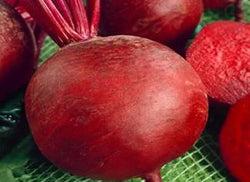 Detroit Dark Red heirloom beets are vegetables that hail from Ontario, Canada, where Mr. Reeves developed them from blood turnips. This globular beet first made its appearance in 1892. However, beets seem to have originated in the Mediterranean region, where people grew them for thousands of years. Later, red beets grew in Germany and Holland, where these vegetables were used as cattle fodder; they were later imported to England for this purpose, but the poor began to raise them for an affordable food source. American colonists later brought red beets to the New World, where they became a commonly enjoyed vegetable both for their roots and their greens.
 Detroit Dark Red heirloom beets are vegetables that hail from Ontario, Canada, where Mr. Reeves developed them from blood turnips. This globular beet first made its appearance in 1892. However, beets seem to have originated in the Mediterranean region, where people grew them for thousands of years. Later, red beets grew in Germany and Holland, where these vegetables were used as cattle fodder; they were later imported to England for this purpose, but the poor began to raise them for an affordable food source. American colonists later brought red beets to the New World, where they became a commonly enjoyed vegetable both for their roots and their greens.
 Detroit Dark Red heirloom beets are vegetables that hail from Ontario, Canada, where Mr. Reeves developed them from blood turnips. This globular beet first made its appearance in 1892. However, beets seem to have originated in the Mediterranean region, where people grew them for thousands of years. Later, red beets grew in Germany and Holland, where these vegetables were used as cattle fodder; they were later imported to England for this purpose, but the poor began to raise them for an affordable food source. American colonists later brought red beets to the New World, where they became a commonly enjoyed vegetable both for their roots and their greens.
 Detroit Dark Red heirloom beets are vegetables that hail from Ontario, Canada, where Mr. Reeves developed them from blood turnips. This globular beet first made its appearance in 1892. However, beets seem to have originated in the Mediterranean region, where people grew them for thousands of years. Later, red beets grew in Germany and Holland, where these vegetables were used as cattle fodder; they were later imported to England for this purpose, but the poor began to raise them for an affordable food source. American colonists later brought red beets to the New World, where they became a commonly enjoyed vegetable both for their roots and their greens.
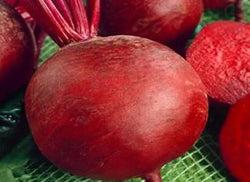 Detroit Dark Red heirloom beets are vegetables that hail from Ontario, Canada, where Mr. Reeves developed them from blood turnips. This globular beet first made its appearance in 1892. However, beets seem to have originated in the Mediterranean region, where people grew them for thousands of years. Later, red beets grew in Germany and Holland, where these vegetables were used as cattle fodder; they were later imported to England for this purpose, but the poor began to raise them for an affordable food source. American colonists later brought red beets to the New World, where they became a commonly enjoyed vegetable both for their roots and their greens.
 Detroit Dark Red heirloom beets are vegetables that hail from Ontario, Canada, where Mr. Reeves developed them from blood turnips. This globular beet first made its appearance in 1892. However, beets seem to have originated in the Mediterranean region, where people grew them for thousands of years. Later, red beets grew in Germany and Holland, where these vegetables were used as cattle fodder; they were later imported to England for this purpose, but the poor began to raise them for an affordable food source. American colonists later brought red beets to the New World, where they became a commonly enjoyed vegetable both for their roots and their greens.
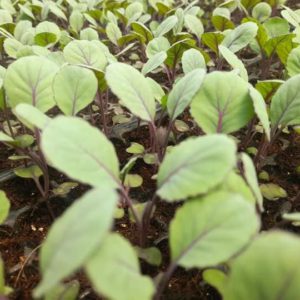 Red cabbage feels most at home in a sunny to semi-shady location. It grows particularly well in good garden soils, especially in humus-rich, deep loamy soils with a slightly acidic to slightly alkaline pH value. As cabbages are heavy feeders, it is important the soil is high in nutrients. Soils that are less humic and more calcareous are usually tolerated but produce lower yields. The right spacing is important both when planting young red cabbage plants and when sowing red cabbage seeds directly
 Red Cat is a rodenticide that is effective against both rats and mice, including resistant strains in homes, apartments, and offices.
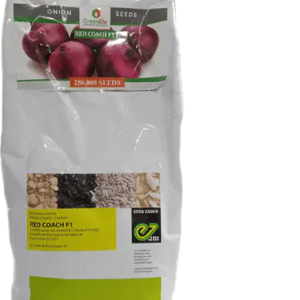 Red Coach F1 Onion Seed is one of the longest-storing red onions around the world, resistant to most crop diseases, has a very good yield and firmness, excellent production, and very vigorous plant with a strong root system which makes it ideal for hot growing conditions.
 Red Coach F1 Onion Seed is one of the longest-storing red onions around the world, resistant to most crop diseases, has a very good yield and firmness, excellent production, and very vigorous plant with a strong root system which makes it ideal for hot growing conditions.
 Red Coach F1 Onion Seed is one of the longest-storing red onions around the world, resistant to most crop diseases, has a very good yield and firmness, excellent production, and very vigorous plant with a strong root system which makes it ideal for hot growing conditions.
 Red Coach F1 Onion Seed is one of the longest-storing red onions around the world, resistant to most crop diseases, has a very good yield and firmness, excellent production, and very vigorous plant with a strong root system which makes it ideal for hot growing conditions.
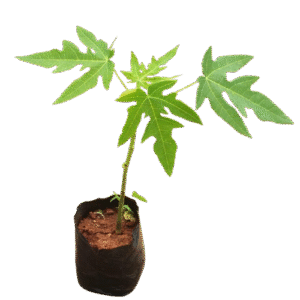 Red Lady Dwarf Pawpaw Seedlings are specially selected for early fruiting, short height, and delicious taste. These compact trees are perfect for small farms, gardens, and urban farming spaces. They begin producing within 6 to 8 months and are renowned for their high yields and sweet, nutritious fruit.
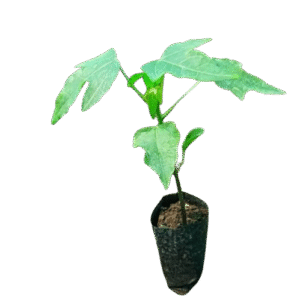 Red Royale F1 Pawpaw Seedlings are specially selected for early fruiting, short height, and delicious taste. These compact trees are perfect for small farms, gardens, and urban farming spaces. They begin producing within 6 to 8 months and are renowned for their high yields and sweet, nutritious fruit.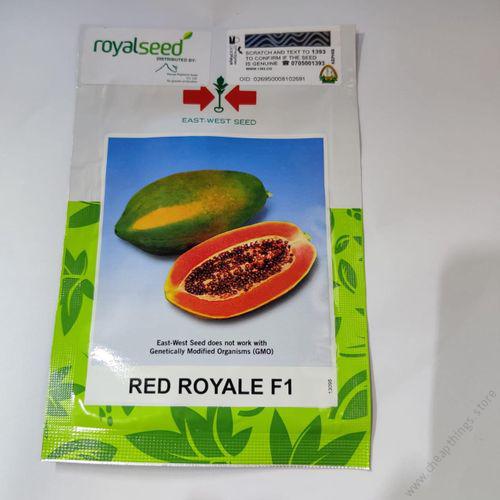
 No products in the cart.